
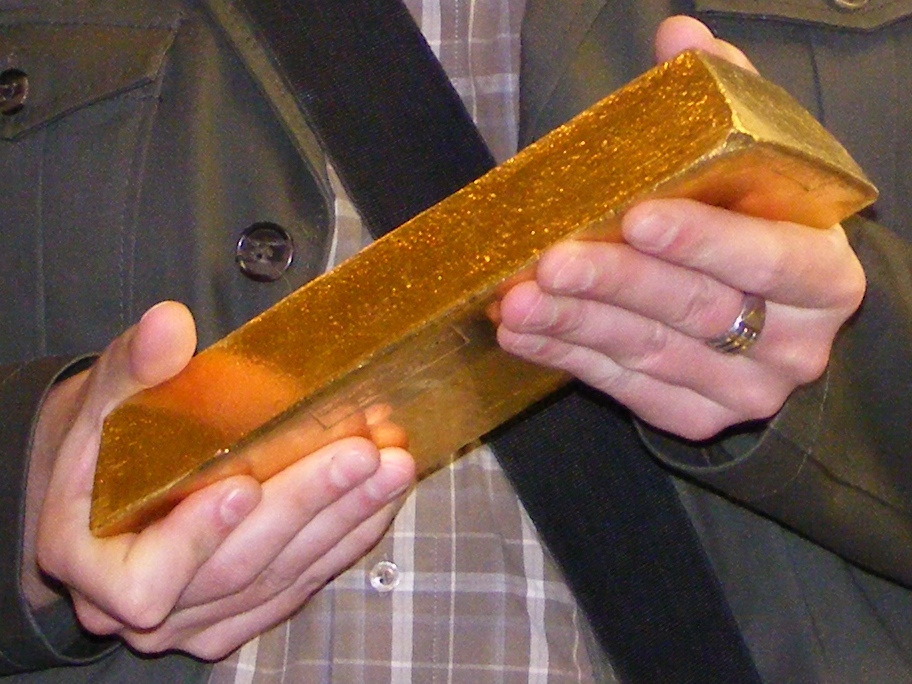
Gold has always been more than a precious metal. It is a symbol of wealth, a hedge against inflation, and a timeless investment. For centuries, people purchased gold through traditional jewellers or financial institutions. Today, however, a new wave of digital transformation has arrived — e-commerce is reshaping how individuals monitor, compare, and purchase gold. The ability to track the gold bar price online in real time has turned gold buying into a far more informed, transparent, and accessible experience than ever before.
From Tradition to Technology
In the past, buying gold meant visiting physical stores, comparing prices manually, and often relying solely on the dealer’s quoted rate. This process was time-consuming and opaque, leaving buyers with little control over timing and value. With the rise of digital marketplaces, everything changed. Now, anyone can check live prices, compare purity levels, and assess product options from the comfort of their home.
Technology has democratised access to gold by removing intermediaries and offering customers the data they need to make informed decisions. The digital shift has also reduced price discrepancies between regions, ensuring fairer transactions and consistent pricing across the market.
Real-Time Transparency
E-commerce platforms now provide live updates that reflect fluctuations in international gold markets. Investors can observe price trends, spot patterns, and make timely decisions. This level of transparency builds trust — something historically limited in physical transactions where price variations were often difficult to verify.
Furthermore, live-tracking tools allow buyers to understand the impact of global factors such as currency strength, inflation, and economic policies on gold’s value. In effect, consumers are now equipped with analytical insights that were once available only to professional traders.
Accessibility and Convenience
One of the most profound impacts of e-commerce is accessibility. Gold buying is no longer limited to high-net-worth individuals or large investors. Digital platforms have opened the door for smaller buyers to purchase fractional bars or coins without leaving home.
The convenience factor extends beyond availability. Buyers can compare multiple products by weight, purity, and design, often accompanied by detailed specifications and certifications. Payment options have expanded too — from debit and credit cards to digital wallets — further simplifying transactions.
Security and Assurance
When gold purchases moved online, concerns naturally arose about safety and authenticity. In response, most sellers now provide verification systems, secure payment gateways, and insured delivery options. Digital certificates and tamper-proof packaging have become standard practice to maintain buyer confidence.
E-commerce has also enhanced documentation transparency. Buyers can now store digital invoices and certification records, reducing the risk of loss and simplifying resale or transfer processes later. The combination of convenience and security has played a major role in boosting online gold transactions.
Price Insights and Data Analytics
Modern e-commerce systems offer more than just listings — they provide insights. Price history graphs, predictive analytics, and demand tracking tools are helping investors spot trends and decide when to buy or sell.
Data-driven decisions now shape gold purchasing behaviour. By analysing patterns such as seasonal price movements or international economic triggers, buyers can act strategically rather than emotionally. This analytical advantage, powered by technology, continues to make digital marketplaces more attractive to serious investors.
Sustainable and Global Reach
Digital commerce has also connected global buyers and sellers in a way that was once impossible. At the same time, online platforms are responding to growing consumer awareness around sustainability. Ethically sourced and eco-refined gold options are gaining visibility, appealing to buyers who value transparency in production as much as in price.
The Future of Gold Buying
As e-commerce technology continues to advance, the integration of artificial intelligence and blockchain promises even greater innovation. AI can analyse live market conditions to offer personalised buying suggestions, while blockchain ensures end-to-end transparency in origin, certification, and ownership.
These developments will make the gold market more efficient and trustworthy. Combined with digital accessibility, they signal a future where owning gold is not only simpler but also smarter.
Final Thoughts
E-commerce has permanently transformed the gold-buying landscape. What was once a slow, opaque process has become dynamic, transparent, and inclusive. The ability to track the gold bar price in real time gives every buyer the confidence to invest with precision and awareness.
From secure online transactions to detailed market analytics, the modern gold market reflects the best of both worlds — the timeless value of gold combined with the speed and sophistication of digital technology. As innovation continues, buying gold will only become more accessible, reliable, and aligned with the evolving habits of today’s global consumer.


